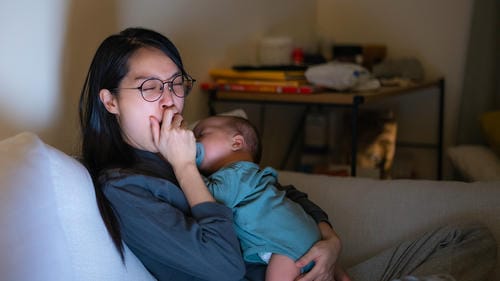
Sleep is a universal human need, yet the way families around the world approach rest — especially for children — varies dramatically. From nightly rituals to sleeping arrangements, cultural beliefs and social rhythms shape how children fall asleep, how long they stay asleep, and how caregivers respond to nighttime awakenings. These differences are not merely lifestyle choices; they reflect deeply rooted cultural values about independence, family connection, and developmental expectations. Large global studies of childhood sleep reveal striking patterns: children in some regions regularly go to bed later and nap longer, while in others earlier bedtimes and solitary sleep are emphasized as markers of self-regulation and autonomy. Moreover, caregivers’ perceptions of what constitutes a “sleep problem” differ widely across cultures, shaped by societal norms rather than biological uniformity. Understanding these cultural influences on sleep provides essential context for parents seeking to support healthy development in their own families and highlights that there is no single “right” way to rest when it comes to childhood. [1]
Cultural Landscapes of Sleep in Childhood
Across the world, children’s sleep patterns are far from uniform. Cultural norms, family practices, and societal expectations all play a role in shaping how children fall asleep, how long they sleep, and where they sleep. In many parts of the world, co-sleeping — where children share a sleeping space with parents or siblings — is the cultural norm rather than an exception. Anthropological research suggests that in the vast majority of human societies, infants and young children traditionally sleep in close physical proximity to caregivers as part of daily life, only relatively recently diverging in Western contexts to solitary sleeping in cribs or separate rooms.
This variation is evident even among children of similar ages. Large cross-cultural studies have documented that preschoolers in Asia, Eastern Europe, and many parts of the Majority World often experience later bedtimes, shorter nighttime sleep, and extended daytime napping compared to their peers in Western or so-called Minority World regions such as North America and Western Europe. In contrast, in many Western contexts, earlier bedtimes and solitary sleep arrangements are emphasized, often framed within professional guidance that encourages sleep independence. [2]

Underlying these practices are deeply held cultural beliefs about independence, family closeness, safety, and even academic or work expectations. In some societies, late bedtimes may align with extended family life, community rhythms, or daily schedules that include evening social activity. In others, structured sleep training and early bedtime routines reflect values of autonomy and self-regulation. These cultural sleep patterns are not just tradition for tradition’s sake — they interact with parental perceptions of sleep problems, expectations around child behavior, and even parental well-being.
Rituals, Routines, and Developmental Ripples
The ways families approach sleep go beyond where children sleep and extend into rituals and routines that accompany bedtime. In many cultures, lullabies, storytelling, bathing, massage, prayer, or quiet family time serve dual purposes: they help children transition from the busyness of the day into rest, and they reinforce cultural values through shared nightly practices. In Western societies, for example, reading before bed is widely encouraged as both relaxation and cognitive engagement. In some Asian cultures, an evening bath serves as a cleansing ritual that signals the day’s end. Indigenous and extended family settings often incorporate communal storytelling as a bridge to sleep. [3]
These rituals contribute to the formation of predictable sleep patterns, something research has linked to emotional regulation and behavioral outcomes. Consistent bedtime routines — whether involving song, book reading, or soothing touch — have been associated with better emotion regulation and fewer behavioral challenges in school-age children in longitudinal studies. Structured routines provide cues for the brain’s sleep–wake mechanisms, facilitating physiological transitions that support neural development and stress regulation.
Sleep practices also influence family rhythms and daily life. In cultures where co-sleeping is prevalent, feeding and comforting during the night may interweave with maternal sleep and caregiver rest, influencing parental alertness and daytime caregiving. In contrast, in contexts that emphasize sleep independence, families may organize evening schedules to optimize bedtime success, often with deliberate separation between sleep time and daytime activities. These rhythms influence not only the child’s sleep quality but also family dynamics, parental well-being, and how children learn to manage transitions, boundaries, and self-soothing. [4]

Importantly, sociocultural research highlights that what one culture defines as “optimal” sleep may not neatly map onto another culture’s norms. For example, studies that categorize sleep as “less optimal” in certain regions often do so based on Western expectations for uninterrupted nighttime sleep duration and solitary sleep, potentially overlooking cultural priorities such as family cohesion or nighttime caregiving.
The Intersection of Sleep Patterns and Childhood Development
Sleep is a foundational biological process deeply intertwined with growth, brain maturation, emotional health, learning, and behavior. Across all populations, children’s sleep needs change with age — newborns may sleep up to 17 hours a day, while school-age children typically require around 10 hours per night — but how these needs are met varies with cultural context.
Emerging evidence indicates that sleep patterns shaped by cultural practices have ripple effects on cognitive and emotional development. Longer, more regular sleep has been linked to better attention, memory consolidation, and emotional regulation, whereas irregular sleep or insufficient rest can coincide with challenges in these domains. These effects appear in both Western and non-Western contexts, although the pathways by which culture frames sleep behavior differ. [5]
The environment in which children sleep — including physical arrangements and social context — also shapes their perceptions of safety and comfort. For example, close physical proximity with caregivers may help some infants and toddlers regulate stress responses during night wakings, which in turn supports attachment and socio-emotional learning. Yet in other contexts, the ability for a child to fall asleep independently is framed as an early milestone of self-sufficiency, with potential benefits for autonomous emotional regulation.

Furthermore, family attitudes about sleep problems are culturally constructed. What one community labels a “sleep problem” might be seen merely as a normal variation in another, and parents’ thresholds for concern often reflect broader cultural beliefs about child behavior, acceptable nighttime awakening, and co-sleeping practices.
For practitioners and parents alike, appreciating these cultural dimensions of sleep offers valuable insight. Rather than prescribing one universal approach, parenting guidance that acknowledges and respects cultural sleep traditions can align more effectively with families’ lived experiences. Understanding that children’s sleep patterns are not only biologically driven but also deeply cultural helps caregivers support both healthy development and family cohesion in ways that resonate with their values.
Sources:
[1]: https://academic.oup.com/sleep/article/48/4/zsae305/7931623
[2]: https://amp.cnn.com/cnn/2018/01/05/health/baby-bedtimes-parenting-without-borders-explainer-intl
[3]: https://sleepcarepro.com/sleep-science/sleep-across-cultures-diverse-practices-and-perceptions
[4]: https://www.sciencedirect.com/science/article/abs/pii/S1556407X07001166
[5]: https://arxiv.org/abs/1904.05036
References:
https://pubmed.ncbi.nlm.nih.gov/21478050
https://ceu.org/courses_online/271201/271201.pdf