Traditions of Postpartum Care Around the World
In every corner of the globe, women and their families have developed cultural practices to support the postpartum period — the weeks and months following childbirth when both mother and newborn are adapting to enormous physical and emotional change. One of the most widely known of these is the Chinese practice of “doing the month,” also called zuo yuezi or postpartum confinement. Though the specific rituals vary from culture to culture, the common thread linking them is the recognition that this period deserves dedicated care, rest, nourishment, and support. Postpartum traditions such as zuo yuezi in China or similar confinement practices in other cultures illustrate a shared human understanding that the caregiving environment after birth matters profoundly for both maternal recovery and infant health. In China, zuo yuezi is traditionally observed for a full month after childbirth. During this period, new mothers receive intensive care from family members or caregivers, follow dietary regimens designed to promote healing and lactation, and limit activities believed to disrupt their recovery. These practices are rooted in traditional Chinese medicine principles that emphasize restoring balance in the body after childbirth and preventing future illness. Throughout Asia and beyond, variations on postpartum confinement show the importance placed on warmth, rest, and food as healing agents and support structures for mothers adjusting to their new roles. These practices, long embedded in cultural traditions, highlight a universal theme: caregiving rituals are not merely customs but also reflections of deeply held beliefs about health, family, and the beginnings of life. [1]
These rituals are by no means uniform. In Mexico, many families observe la cuarentena, a roughly 40-day period of rest involving traditional foods, belly binding, and herbal remedies, all intended to help the mother regain strength and protect her long-term health. In West Africa, practices such as ọmụgwọ involve the maternal grandmother providing hands-on care, assistance, and guidance to the new mother, reinforcing family bonds while teaching practical skills in newborn care. Cultural postpartum practices in Korea — known as sanhujori — emphasize warm foods, rest, cleanliness, and peace of mind as cornerstones of postpartum recovery. These global examples showcase a broad spectrum of customs, ranging from seclusion and recuperation to family-integrated caregiving, all underscoring the belief that the period following birth is uniquely important and deserving of intentional care.
What these diverse traditions share is not only a focus on the physical recovery of the mother but also an implicit recognition that early life — for both mother and infant — is a sensitive period in which daily routines and care environments can significantly affect health outcomes. In cultures practicing zuo yuezi or similar customs, the mother is intentionally relieved of household duties so that she can focus on rest and nurturing her baby, creating an environment where breastfeeding, bonding, and physical healing become central to daily life. Ritual foods and diets in these practices often include nutrient-dense, warm, and easily digestible meals believed to replenish the body after the rigors of childbirth. These dietary prescriptions — though varying by culture — echo a shared intuition that quality nutrition supports lactation, energy restoration, and overall well-being in the postpartum period. [2]
Lessons for Infant Care and Maternal Support
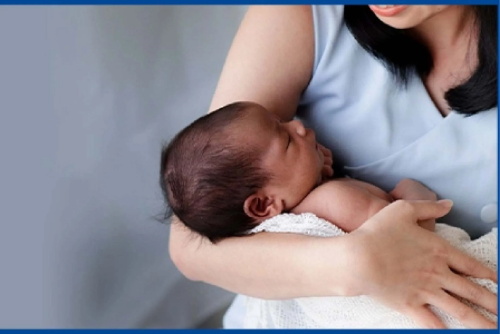
The caregiving practices embedded in postpartum traditions like doing the month offer valuable insights that transcend cultural boundaries. First, they demonstrate the importance of structured support systems in the early weeks after birth. The extensive help provided by family members, elders, or professional caregivers during rituals such as zuo yuezi or ọmụgwọ reinforces the concept that recovery and child-rearing are communal rather than solitary undertakings. This cultural emphasis on shared responsibility for newborn care encourages early bonding between families and strengthens social networks that can bolster maternal mental health. Second, postpartum traditions highlight the role of purposeful rest and recovery in infant care. New mothers in many cultures are encouraged — or even required — to slow down, limit strenuous physical activities, and focus on healing. This structured rest is thought to benefit both mother and baby by allowing the mother’s body to recover while facilitating attentive care for the newborn, including establishing breastfeeding and learning infant cues. Scientific perspectives on postpartum recovery increasingly recognize that adequate rest and support can influence maternal well-being, mood regulation, and the capacity to respond to infant needs. Though medical models of postpartum care differ from traditional rituals, both approaches converge on the understanding that the postpartum period is a time of vulnerability as well as opportunity for maternal and infant health.
Dietary elements within these traditions also carry implications for infant care. In many cultural postpartum practices, specialized foods are believed to help restore the mother’s physical reserves and support lactation. While some aspects of traditional diets may not have direct scientific validation, the broader principle of ensuring that postpartum women have access to nutrient-rich meals aligns with contemporary research emphasizing the importance of nutrition for healing and milk production. Trials in some settings have even explored how postpartum practices influence the microbiota in human milk, suggesting links between maternal environment, diet, and components of breast milk that may impact infant immune development. These findings underscore the interconnected nature of maternal health practices and infant outcomes and suggest that elements of traditional postpartum care may complement clinical approaches to promoting optimal infant nutrition and health.
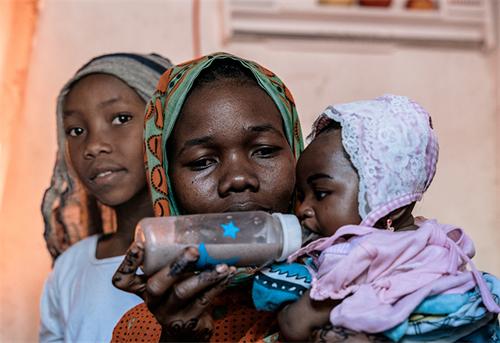
Beyond physical care, postpartum rituals like zuo yuezi often embody psychosocial lessons about the transition to motherhood. These traditions confer status and attention to the new mother, acknowledging the significance of childbirth and providing a structured period for her to internalize her new role. The presence of family members or caregivers who take on domestic responsibilities allows the mother to focus on bonding, reflecting on her new identity, and receiving emotional support during a time of significant life change. Such intentional caregiving rituals can mitigate feelings of isolation, reduce stress, and create a sense of being valued and supported — factors that are essential to maternal mental health and, by extension, infant care. While modern medical care in many countries focuses on clinical assessments and discrete postpartum visits, traditional cultural practices remind us of the value of continuous, relational support during the early weeks of motherhood.
In examining the diversity of postpartum traditions worldwide — from the formalized doing the month in China to other forms of structured rest, nutrition, and family involvement — it becomes clear that cultural beliefs about postpartum care carry practical implications for how infants are cared for in their first weeks of life. These rituals teach us that postpartum care extends beyond physical recovery; it encompasses emotional support, shared responsibility, attentiveness to nutrition, and opportunities for bonding and learning. By exploring these traditions, contemporary caregivers and families can glean insights into the multifaceted nature of postpartum support — insights that may inform more holistic approaches to infant care that honor both cultural wisdom and modern evidence-based practices.
Sources:
[1]: https://www.carebyallay.com/blog/postpartum-care-around-the-world
[2]: https://baycitydoulas.com/postpartum-traditions-around-the-world
Reference:
https://pubmed.ncbi.nlm.nih.gov/32842688