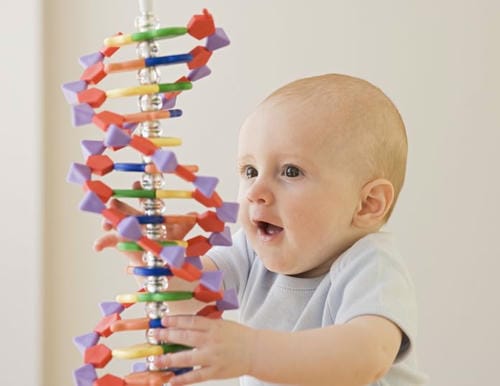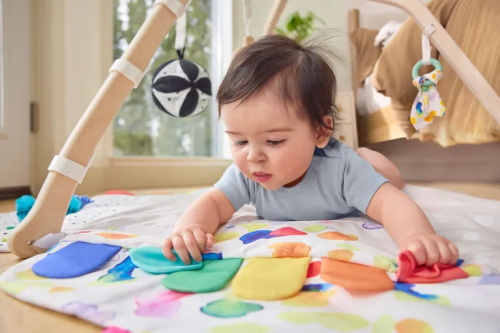
Early eating is about much more than the foods parents choose or the schedule they follow. For infants and toddlers, developing eating skills involves a complex interplay between the body and the brain, where movement, play, and behavior shape how children learn to feed themselves. From reflexive actions in early infancy to intentional exploration of food textures and utensils later on, babies build eating competency through dynamic interactions with their environment. Research shows that physical movement and play contribute to gross motor and oral motor development—both of which are fundamental for handling food, coordinating chewing and swallowing, and eventually self-feeding. Play experiences encourage babies to practice reaching, grasping, and hand-eye coordination, all of which lay the groundwork for confident engagement at mealtime. These early movement behaviours are not just beneficial for motor development—they also support infants’ sensory exploration and motivation to eat, helping them form positive associations with food and feeding routines. [1]
The Connection Between Play, Movement, and Feeding Competence
Feeding in infancy and early childhood is much more than the act of receiving food: it is a developmental process that involves a wide array of motor, sensory, cognitive, and behavioral skills. From the moment a baby is born, their brain and body are rapidly developing in tandem, and the way they move, explore, and interact with their environment shapes how they will learn to eat. Play and movement are integral parts of this learning process because they build the sensorimotor competence required for eating competency. Unlike later stages of development where structured skills are taught, infants initially rely on spontaneous, playful movements to strengthen muscles and refine the coordination necessary for successful feeding. Research into infant motor and developmental frameworks shows that play-based movement contributes to broad motor skills—such as balance, coordination, and grasp—that are foundational to later feeding behaviors and eating skills.

In infancy, motor development begins with gross movements like turning the head or lifting the torso during tummy time and progresses to refined actions like reaching for objects and grasping utensils. These early motor milestones are crucial because they allow a baby to sit upright unassisted, coordinate movements of the hands and mouth, and regulate posture—all of which are prerequisites for independent eating. According to pediatric developmental resources, motor milestones like head control, sitting stability, and grasping abilities directly influence when a baby is ready to begin new stages of feeding, such as transitioning to finger foods and using feeding tools.
Play provides natural opportunities for infants to practice these movements. When a baby reaches for a toy, grasps a spoon, or pushes a soft food item toward their mouth, they are honing the foundational motor patterns needed for self-feeding. These actions strengthen the muscles involved in hand–eye coordination, posture control, and oral movements like biting and chewing. Moreover, play encourages repetition without pressure; infants repeat motor behaviors because they find them rewarding and engaging rather than because they are being trained. This intrinsic motivation supports dynamic systems of neuromotor learning where small incremental improvements in movement quality accumulate, contributing to increasingly complex tasks such as eating varied textures of food.
Feeding itself can also be viewed as a multisensory and sensorimotor learning event. Beyond simply consuming nutrients, babies learn to recognize the texture, taste, and feel of food while their bodies coordinate respiratory, oral, and jaw muscle movements. Feeding competence arises from the integration of these sensory experiences with motor control. Pediatric feeding assessment frameworks emphasize that the act of eating is rooted in the development of sensory experiences and movement skills that make it possible for infants to suck, swallow, bite, and chew effectively. [2]
In practical terms for caregivers, incorporating play-based exploration of utensils and food-like objects before and during early mealtimes can support a baby’s emerging competence. Encouraging a baby to handle spoons and bowls, even if the result is messy or exploratory, allows the infant to practice the very movements needed for future self-feeding. Caregivers can also use structured play, such as inviting a baby to reach for softly textured items or safely manipulate finger foods, to build confidence and movement fluency. All of these experiences contribute to a baby’s growing competence with eating tasks.
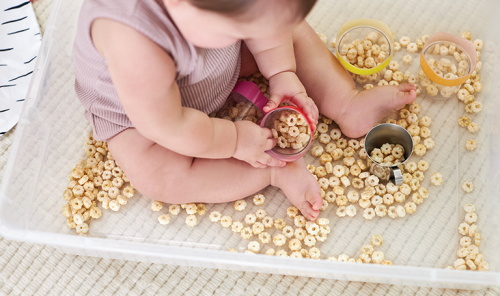
Behavioral Interactions and the Role of Play at Mealtime
Movement and play do not operate in isolation from the social and behavioral context of feeding. Eating is a dynamic interaction between the caregiver and the child. Behavioral responses—such as a baby’s willingness to explore food, respond to hunger and fullness cues, and persist with challenging textures—are shaped by both the physical skills developed through play and the social environment during mealtimes. Research on responsive feeding demonstrates that caregivers who are sensitive to a child’s cues—during both play and eating—tend to create more positive feeding interactions, which can enhance eating competence. For example, the way caregivers respond to a baby’s body language, attention, and engagement, whether at the play mat or at the high chair, influences how comfortable and confident the baby feels exploring food and self-feeding.
The behavioral dimension of feeding includes not only the baby’s actions but also the caregiver’s role in scaffolding development. Mealtime provides a social arena where caregiver behavior, such as modeling use of utensils or praising playful engagement with food, influences a child’s movement choices and eating behavior. Studies from early childhood educator contexts illustrate that educators’ responsive feeding practices and interactions during meals matter for shaping children’s eating behaviors and enjoyment of food, reinforcing that behavior and movement are intertwined in feeding competency.
Moreover, responsive feeding practices that honor a child’s cues and provide opportunities for self-directed exploration support the infant’s agency, reducing mealtime stress and encouraging positive attitudes toward food. Offering a baby the space to explore different food textures with fingers or allowing them to use a spoon during play (without pressure to eat immediately) can strengthen both movement skills and behavioral comfort. Over time, these experiences help infants connect the physical action of eating with enjoyable social interaction and sensory exploration. [3]
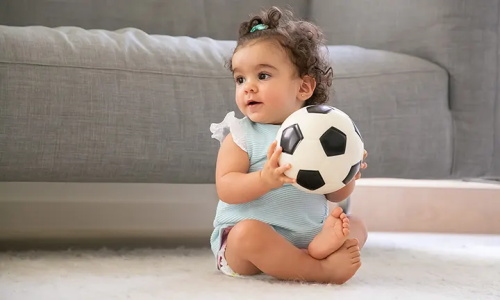
In addition to caregiver interaction, the baby’s own behavioral tendencies—such as curiosity, persistence, and attention regulation—play a role in how effectively they integrate movement with feeding. Babies who are given opportunities to move freely and explore their surroundings through play develop better motor control and sensory processing, which can translate into more competent eating behaviors. This interplay between sensory-motor development and behavioral engagement forms the basis of early feeding competence. [4]
Understanding eating as an embodied activity—that is, one that combines physical movement with sensory processing and social interaction—highlights why movement and play are essential components of early feeding development. Caregivers who recognize feeding as more than just nutrient delivery and instead view it as an opportunity for skill building through play and responsive behavior can support babies more effectively as they develop lifelong eating competencies.
Sources:
[1]: https://openstax.org/books/lifespan-development/pages/3-2-motor-development-in-infants-and-toddlers
[2]: https://www.feedingmatters.org/what-is-pfd/feeding-skill
[3]: https://healthyeatingresearch.org/research/feeding-guidelines-for-infants-and-young-toddlers-a-responsive-parenting-approach
[4]: https://www.sciencedirect.com/science/article/pii/S2211335516300213
[5]: https://publications.aap.org/pediatrics/article/142/3/e20182058/38649/The-Power-of-Play-A-Pediatric-Role-in-Enhancing
References:
https://pmc.ncbi.nlm.nih.gov/articles/PMC8625902
https://en.wikipedia.org/wiki/Tummy_time
https://pmc.ncbi.nlm.nih.gov/articles/PMC8625902