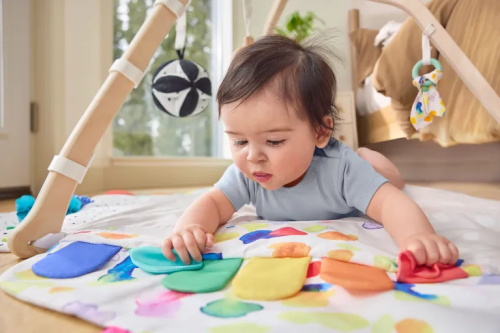
Scientific research increasingly shows that resilience in children—often described as the ability to adapt and thrive in the face of stress and challenges—is deeply rooted in the developing brain and shaped by the quality of parenting and caregiving relationships. Rather than seeing resilience as a fixed personal trait, neuroscience defines it as a dynamic, evolving process that emerges from ongoing interactions between a child’s neurobiology and their environment. Supportive, responsive relationships with caregivers play a foundational role in building neural systems that help children regulate emotions, solve problems, and recover from stressful experiences. In studies involving brain imaging and behavioral assessments, researchers have found that positive parenting—characterized by warmth, consistency, and emotional support—buffers children against the negative effects of stress on both their behavior and brain structure, including regions like the hippocampus that are critical for memory and stress regulation. This scientific understanding underscores that everyday caregiving practices have measurable effects on children’s developing brains and long-term capacities for resilience.
How the Developing Brain Learns to Cope with Stress?
From the moment a child is born, their brain is highly receptive to experiences, both positive and negative. Neuroscience shows that resilience—the ability to adapt well and recover from stress—is not an innate, fixed trait but a dynamic capacity that emerges through interaction with the environment, especially with caregivers. Supportive, responsive relationships help shape key neural pathways that enable emotional regulation, problem-solving, and adaptability in the face of adversity, while inconsistent or stressful environments can trigger physiological stress responses that make coping more difficult. Research highlights that consistent “serve and return” interactions—where a caregiver responds to a child’s cues with attention and warmth—provide essential scaffolding for executive functions like self-regulation, planning, and adaptive behavior. These capacities are critical for how children respond to challenges throughout life, and they reflect a tight interaction between brain biology and environmental experience. [1]
At the neural level, studies using imaging techniques such as MRI indicate that positive parenting can moderate the impact of childhood stress on brain structure and behavior. For example, research from a large sample of youth found that children who reported experiencing high levels of positive, supportive parenting did not show the same stress-associated decreases in hippocampal volume that other children did; this brain region is important for memory, learning, and stress regulation. Moreover, these children exhibited fewer behavioral problems despite exposure to stressful life events. These findings underscore that parental warmth and support can serve as a biological buffer, influencing how the brain develops in response to stress.

The science of resilience also emphasizes that stress is not always harmful; manageable stress that occurs in the context of safe relationships can actually strengthen a child’s ability to cope. Research from developmental centers suggests that exposure to moderate challenges—when accompanied by caregiver support—helps children build adaptive capacities that prepare them for future difficulties. This process is not about protecting children from all stress, but about helping them learn to navigate stress in ways that enhance neural systems involved in regulation and recovery. [2]
Translating Brain Science into Daily Parenting Practices
Understanding the neuroscience behind resilience can transform everyday parenting from a series of reactive decisions into intentional practices that support children’s developmental trajectories. One of the most consistent themes in resilience research is the central role of stable, caring relationships. A child who feels seen, heard, and emotionally supported is more likely to develop stronger executive functioning, better emotional regulation, and an enhanced sense of mastery over life’s challenges. These skills are reflected in neural connectivity patterns that support flexible thinking and emotional balance. 1] From a practical standpoint, parents can nurture resilience in ways that align with how children’s brains learn and grow:
Establish predictable daily routines. Research indicates that dependable schedules—including regular family mealtimes, consistent bedtime rituals, and structured play times—are associated with healthier sleep patterns and improved development of brain regions tied to emotional regulation and cognitive function. Predictability reduces uncertainty and supports a child’s capacity to regulate emotions effectively.
Engage in attentive, responsive communication. Talking with children regularly, actively listening to their feelings, and helping them label emotions trains neural circuits involved in emotional management. Neuroscientific findings suggest that when children’s feelings are acknowledged and named, activity in areas of the brain associated with stress reactivity decreases, helping them learn to regulate intensity and respond thoughtfully rather than reactively.
Encourage adaptive coping skills. Instead of trying to eliminate worry or frustration, help children understand and work through these emotions. Techniques such as guided reflection on challenges, perspective-taking exercises, and framing difficult situations as opportunities to learn can foster resilience by building neural pathways that support cognitive flexibility and emotional regulation. Research in developmental psychology suggests that teaching children how to manage worry constructively—such as setting aside specific “worry time” or imagining both worst-case and best-case scenarios—can enhance their confidence and problem-solving capacities. [4]

Model healthy stress management yourself. Children internalize coping strategies by observing adults. Parents who demonstrate balanced approaches to stress, maintain supportive social connections, and seek help when needed provide powerful real-life examples of resilience. Neuroscience underscores that the developing brain continuously adapts to the social environment, so when children see adults managing challenges in adaptive ways, their own neural systems for resilience are strengthened.
Promote safe opportunities for challenge and success. Allowing children to engage in manageable tasks that stretch their skills—such as age-appropriate problem solving, decision making, or learning new tasks—supports the development of self-efficacy. Neuroscientific perspectives on resilience emphasize that encountering and mastering challenges builds neural pathways that enhance adaptability and cognitive control.
Finally, cultivating emotional connection through simple daily rituals—from reading together to sharing reflections about the day—builds a reservoir of supportive experiences that children carry with them. Consistent routines and warm interactions provide a stable “neural environment” that encourages growth in brain areas involved in emotional balance, memory, and executive functioning, laying a foundation for long-term resilience.
Sources:
[1]: https://www.gse.harvard.edu/ideas/usable-knowledge/15/03/science-resilience
[2]: https://developingchild.harvard.edu/resource-guides/guide-resilience
[3]: https://www.thetimes.com/uk/article/daily-routine-and-a-bedtime-story-can-boost-childrens-brains-x5r0sn02k
[4]: https://www.cnbc.com/2023/05/06/parents-who-raise-highly-resilient-kids-teach-this-no-1-skill-says-neuropsychologist.html
References:
https://pubmed.ncbi.nlm.nih.gov/37325028
https://www.raisinggreatkidz.com/post/the-new-secret-to-raising-thriving-kids-what-the-latest-brain-science-reveals-about-stress-resili