Becoming a parent is often described as a life-altering experience, and one of the first challenges new caregivers face is deciding what they truly need to raise their baby. In a world where baby products flood social media, advertisements, and store aisles, it can be difficult to distinguish between items that make everyday life easier and those that simply add clutter. Minimalist parenting offers an alternative perspective: it invites families to intentionally choose fewer, more meaningful goods so they can focus on what matters most — bonding, presence, and genuine connection with their child.
Minimalist parenting does not mean “doing without,” nor does it prescribe a rigid checklist of gear; rather, it emphasizes intentionality, simplicity, and purpose in every decision a parent makes. By clarifying what your family actually uses and values, you can reduce stress, free up physical and mental space, and foster deeper relationships with your baby. Across cultures and lifestyles, parents who adopt this approach report greater peace at home and more time for shared experiences — because the less time spent managing possessions, the more time available for connection, play, and growth.
The Minimalist Philosophy in Infant Care
Minimalist parenting is a mindful approach that encourages families to narrow their focus to essentials and experiences rather than a long list of gadgets and gear. At its core, minimalism means intentionally choosing what truly serves your baby’s needs and supports your family’s well-being, rather than being influenced by marketing, trends, or social expectations. Practitioners of this philosophy emphasize that babies and young children form bonds and learn most effectively through interaction, attention, and shared experiences, not by being surrounded with possessions. For example, minimalist advice often highlights that many items sold as “must-haves” are not actually necessary and that families can thrive with far fewer products if they focus on functionality and quality rather than quantity. [1]

Adopting minimalism begins with a shift in mindset. Rather than viewing every parenting challenge as something that must be solved with a purchase, minimalist parents stop to ask: “Does this item solve a real, consistent need? Will it be used regularly? Does it support meaningful engagement with my child?” This evaluative approach reduces impulse buying and helps families resist acquiring things that contribute little to everyday life or bonding. Fewer possessions mean less time spent organizing, cleaning, and worrying about clutter, which in turn creates a calmer environment that supports attentive caregiving and reduces parental stress.
In practice, minimalist parenting can look different for every family. Some minimalists embrace the philosophy by curating only the most practical items, such as a safe sleeping space, a few outfits, basic feeding supplies, a diapering setup, and a reliable carrier or stroller. Others go a step further by integrating strategies like borrowing or buying second-hand gear, choosing items that grow with your child, or simplifying routines. These decisions naturally lead to fewer purchases and more intentional use of what you have, helping families stay focused on what matters most: time, connection, and presence.
Across cultures and environments, this approach resonates because it places emphasis not on accumulation but on adaptation. For instance, instead of a large nursery filled with themed décor and countless toys, minimalist parents often prioritize a safe sleeping area, a comfortable feeding spot, and well-organized storage for the few items they use regularly. A streamlined space with fewer distractions can even support better sleep for babies and less anxiety for caregivers as they learn to read their child’s cues and rhythms. [2]
Practical Minimalism: Essentials and Everyday Bonding
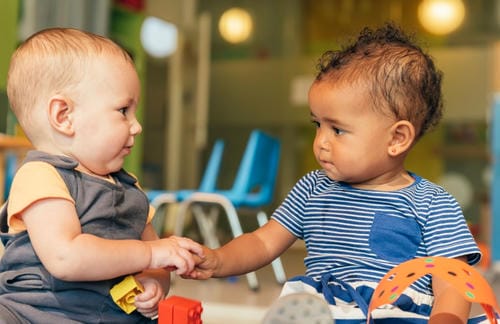
At the heart of minimalist parenting is the idea that fewer possessions can lead to richer interactions. When you reduce clutter and unnecessary gear, your physical and mental space expands, which makes room for meaningful connections and shared experiences with your baby. Experiences—such as reading together, going for walks, playing in nature, or simply cuddling—often provide deeper fulfillment and stronger emotional bonds than any purchased item ever could.Minimalist parenting encourages families to invest time and attention in these moments, which are foundational to healthy attachment and development. [3]
When it comes to gear, minimalist parents typically choose items that maximize functionality with as little excess as possible. For sleep, a safe and comfortable place such as a crib, bassinet, or simple sleeping space with a firm mattress and fitted sheet is essential. Avoiding excessive bedding, bumpers, or plush toys not only aligns with minimalist values but also supports safer sleep practices.
For feeding and diapering, minimalist approaches recommend keeping supplies simple and intentional. Whether breastfeeding or formula feeding, you only need basic feeding tools that match your routine; for diapering, a dependable supply of diapers, wipes, and a compact changing pad or station often suffices without requiring an overstock of accessories.
Clothing is another area where minimalism can simplify life. Babies grow rapidly, so stocking up on dozens of outfits can quickly become wasteful. Instead, choosing a modest selection of comfortable, versatile clothing — such as 6–8 onesies and a few sleepers — keeps wardrobes functional without excessive accumulation. Selecting durable, neutral pieces also makes dressing easier and reduces laundry overload, which in turn allows more time for engaging with your baby rather than managing clothes. [1]
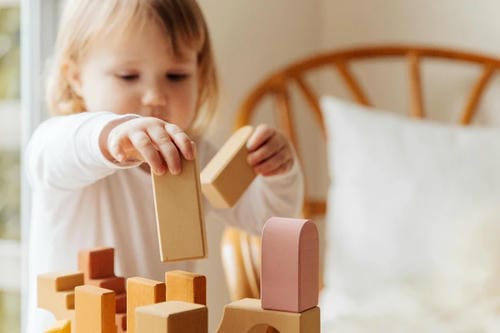
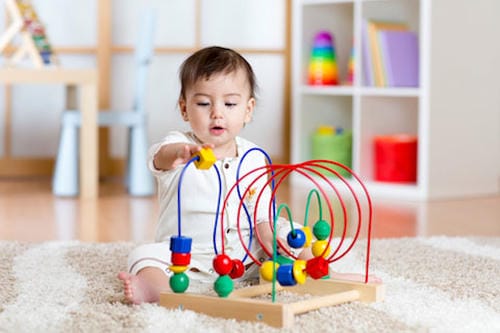
Toys and entertainment are often simpler as well. Instead of many brightly colored, noise-making gadgets, minimalist parents choose a small selection of toys and books that encourage development and imagination. Fewer toys often means that each one becomes more meaningful, fostering deeper play and exploration rather than overwhelming young minds and household space.
Minimalist parenting also extends to how families approach everyday routines. For example, keeping baby care supplies in a small basket that can be moved around the house makes routines smoother without spreading gear across every room. This configuration helps maintain a calmer environment and reduces stress when you’re tending to your baby’s needs. As your baby grows and their needs change, revisiting and adjusting your setup helps prevent unnecessary accumulation and keeps only what is currently useful. [4]
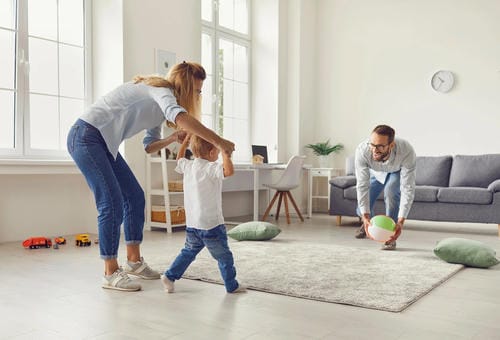
Beyond physical simplicity, minimalist parenting encourages emotional clarity. Letting go of the pressure to keep up with every trend or acquire every marketed gadget allows parents to build confidence in their own caregiving instincts. Instead of feeling torn between what the market tells you to buy and what your baby genuinely needs, minimalism empowers you to trust yourself as a parent. This confidence often leads to more attentive caregiving, less comparison with others, and more genuine moments of connection with your child.
Sources:
[1]: https://cosicrib.com/blogs/news/less-stuff-more-joy-the-art-of-minimalist-parenting-with-a-baby
[2]: https://baldwinbabyco.com/blogs/baldwin-baby-co-blog/art-of-minimalist-parenting
[3]: https://sustainableliving.org.nz/minimalist-parenting-key-principles-and-family-benefits
[4]: https://themommylabs.com/everyday-parenting/creating-a-minimalist-baby-gear-setup-that-works
Reference:
https://www.babycaremag.com/baby/daily-care/minimalist-parenting-baby-essentials-you-actually-need
https://www.scoutfamilyequipment.com/blogs/news/minimalist-parenting-choosing-gear-that-enables-experiences