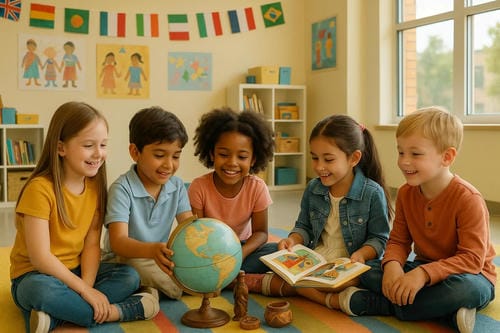
Infant care has always been an intense blend of tender attention, thoughtful choices, and countless small decisions that shape a child’s early environment and wellbeing. In recent years, however, a new dimension has gained prominence among caregivers: sustainability. For many modern parents, raising a child now includes a commitment not only to their baby’s health and development but also to the health of the planet the child will inherit. This shift reflects broader patterns in consumer behavior, where caregivers often seek out greener products and practices precisely because they want a healthier world for their little ones. In fact, many parents express deep concern about environmental conditions for future generations and are willing to adjust everyday routines and spend more on eco-friendly options to support those values. [1]
The sustainable parenting mindset extends well beyond a single product category. From diapers to play items, feeding accessories to daily care routines, families are reconsidering traditional consumer choices through the lens of environmental impact and long-term effects on health. Diapering, for instance, represents a striking example of how everyday necessities can contribute substantial waste: conventional disposable diapers account for billions of units of landfill waste each year, where they may persist for centuries. Switching to eco-friendly alternatives such as biodegradable or reusable cloth diapers can significantly reduce this burden, all while offering benefits like fewer chemicals in contact with sensitive infant skin.
Moreover, these habits often reflect a larger vision of parenting wherein small daily actions accumulate into meaningful impacts. Choosing sustainable materials for infant products, incorporating mindful routines that conserve resources, and modeling responsible consumption behaviors are ways parents can weave environmental consciousness into their caregiving philosophy. By integrating eco-friendly choices into infant care from the earliest days, families can nurture not only their children’s growth but also their appreciation for a world in which both community and nature can flourish.
Eco-Conscious Diapering Practices
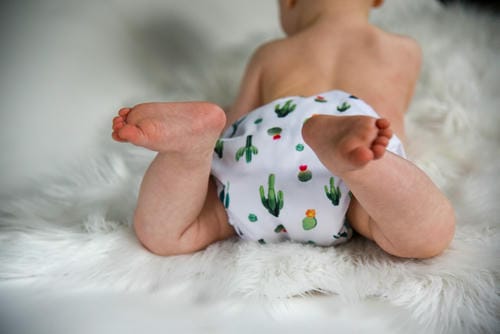
One of the most visible aspects of infant care is diapering—and it’s also one of the biggest contributors to household waste in a baby’s first year. Traditional disposable diapers contribute significantly to landfill mass, as they can take hundreds of years to decompose. Parents seeking greener alternatives can choose between reusable cloth diapers, hybrid models that pair reusable covers with biodegradable inserts, or fully biodegradable disposable diapers made from plant-derived materials such as bamboo and cornstarch fibers. Each option has unique benefits and trade-offs: cloth diapers require laundering but significantly reduce single-use waste, while biodegradable disposables offer convenience with a smaller end-of-life impact than conventional plastic-based products. Hybrid systems allow for flexibility by combining reusable covers with inserts that can be composted or flushed, depending on local waste handling capabilities. [2]
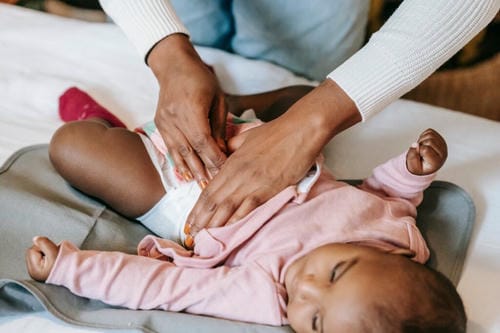
Cloth diapers made from organic cotton or bamboo are among the most sustainable choices, as they reduce reliance on synthetic materials and are gentle on a baby’s skin. Adjusting routines to include regular washing and drying of reusable diapers can reduce long-term costs and environmental footprint, particularly if the diapers are used for subsequent children. Additionally, compostable disposable options, such as bamboo fiber diapers or those made from sustainably harvested wood pulp, break down far more rapidly than conventional products, easing the burden on landfills.
For families still dependent on disposables part of the time—such as during travel or nighttime—brands that emphasize plant-based materials and minimal chemical additives can offer a more environmentally responsible middle ground. These diapers are often free from chlorine processing, latex, phthalates, and synthetic fragrances, reducing potential exposure to harmful substances while also supporting greener manufacturing practices. [3]
Sustainable Play: Toys and Everyday Items
The items infants interact with daily—especially toys—can have both developmental and environmental implications. Traditional plastic toys frequently contain chemicals such as PVC, BPA, and phthalates, which have raised health concerns due to their potential to leach into a child’s environment and body when mouthed or chewed. PVC in particular can contain lead and other additives that are harmful to developing systems, which has led many eco-focused parents to seek alternatives made from natural, non-toxic materials.
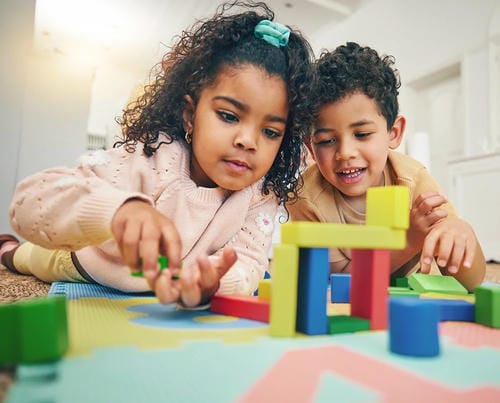
Wooden toys made from sustainably harvested timber offer a durable and chemical-free alternative. Companies like PlanToys use rubberwood—a by-product of latex production that would otherwise go to waste—combined with non-formaldehyde glues and water-based dyes, minimizing environmental impact across the product lifecycle. Such toys are robust, often heirloom quality, and can be passed between children or even generations, reducing both waste and repeated consumption.
Natural rubber, organic cotton, and food-grade silicone also provide safe, eco-friendly materials for teething rings, soft blocks, and other sensory toys. These materials are typically free from harmful chemicals and offer tactile, safe play experiences while aligning with sustainability goals. Glass or stainless steel feeding supplies further reduce reliance on plastics and avoid chemical leaching issues common in conventional alternatives. [4]
Beyond material choices, sustainable play can encompass minimalist strategies such as rotating a curated set of high-quality toys rather than owning a vast collection, and repurposing household items for sensory play, thereby minimizing consumption and stimulating creativity. Upcycling old items—such as turning boxes into play kitchens or instruments—engages infants in imaginative play while keeping useful materials in circulation longer.

Integrating Sustainable Choices into Daily Infant Routines
Creating an eco-conscious infant care routine involves more than product selection; it encompasses daily habits that reduce waste and model mindful consumption. Choosing reusable products such as cloth napkins, silicone feeding mats, and washable baby wipes can significantly cut down on single-use disposables. Organic cotton bed linens, bamboo feeding sets, and biodegradable bibs also contribute to a greener nursery without compromising safety or comfort. [4]
Parents can extend sustainability to everyday tasks by adopting practices such as meal planning with reusable containers, minimizing reliance on disposable paper products, and setting up home recycling and composting systems early. Including children in simple chores like sorting recyclables may be appropriate as they grow, helping instill a sense of responsibility toward the planet from a young age.
Selecting natural, plant-based skincare products—free from artificial fragrances, sulfates, and parabens—also supports infants’ health while reducing the introduction of harmful chemicals into water systems. Baby shampoos, body washes, and lotions formulated to be biodegradable help protect delicate skin and decrease environmental burden downstream. [5]
Making sustainable choices need not be overwhelming. Parents can start with a few intentional swaps and gradually adopt more eco-friendly habits as they learn what works best for their family’s needs. Over time, these decisions accumulate into a daily rhythm of mindful parenting that benefits both infants and the environments they will inherit.
Sources:
[1]: https://nypost.com/2024/10/17/lifestyle/most-parents-are-concerned-about-the-environment-for-their-kids-heres-what-theyre-doing-about-it
[2]: https://www.consumerenergycenter.org/eco-friendly-diapers
[3]: https://theecofriendlylife.com/eco-friendly-parenting-explained
[4]: https://www.knowseeker.com/lifestyle/10-eco-friendly-baby-essentials-for-new-parents-in-2025
[5]: https://trueecolife.com
Reference:
https://www.thebump.com/a/eco-friendly-parenting-tips-to-raise-an-eco-baby