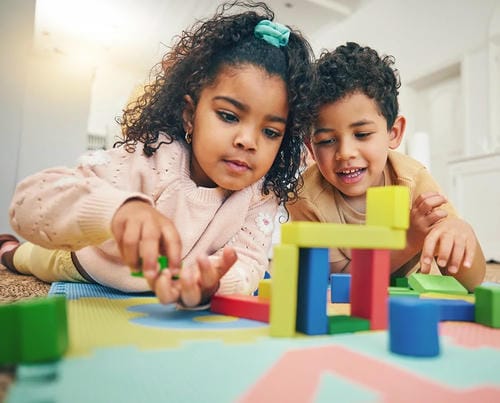
In today’s parenting landscape, it can feel like every minute of a child’s day must be scheduled, supervised, and optimized for achievement. From music lessons to coding classes, structured activities promise measurable skills and tangible progress. However, an increasing body of research and expert opinion highlights a less obvious—and often undervalued—path to deep learning: unstructured play. This seemingly simple concept, where children are given time and space to play without adult direction or strict rules, has powerful implications for their cognitive, social, emotional, and creative development. Free play allows children to learn through discovery, self-direction, and imagination in ways that traditional, structured environments often cannot replicate. It invites children to engage with the world on their own terms, building essential life skills that ultimately support more effective learners.
Redefining Play as Learning
Unstructured play is defined by its flexibility and openness. Unlike structured activities, which are led by adults and tied to specific goals or outcomes, unstructured play is child-directed and internally motivated. In this environment, children decide what they want to do, how they want to do it, and when to change course. Because there are no predefined rules or expected results, children must navigate their own experiences, creating challenges, solutions, and narratives as they go. This freedom mirrors how children learn best—through exploration, experimentation, and curiosity—and supports the development of foundational skills that are applicable across academic, social, and emotional domains.
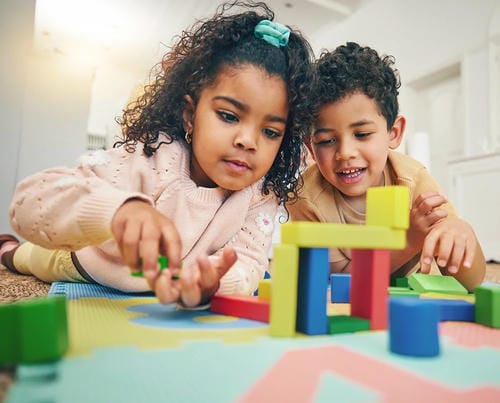
One of the most significant cognitive benefits of unstructured play is its impact on creativity and divergent thinking. When given the freedom to choose their activities and invent their own scenarios, children exercise their imagination in ways that structured tasks rarely allow. Studies show that children who engage in open-ended play with materials like blocks or art supplies are more likely to produce creative ideas and imaginative solutions compared to children who participate in activities with specific instructions or constraints. This type of expansive thinking is a core component of creativity and a strong predictor of innovative problem-solving abilities later in life. [1]

In addition to creativity, unstructured play is closely linked with executive function skills—such as planning, decision-making, and self-regulation—which are crucial for academic success. During free play, children constantly make choices: what to play with, how to interact with others, and how to adapt when their original plan changes. These decisions require them to hold information in mind, weigh outcomes, and modify behaviors, all of which strengthen the neural pathways associated with goal-directed thinking. Over time, children who regularly engage in unstructured play demonstrate better self-control and persistence—skills that support success not only in school but in problem-solving situations throughout life.
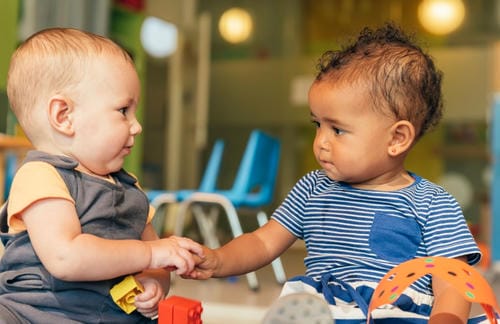
Unstructured play also has profound effects on social and emotional learning. When children play freely with peers, they naturally negotiate roles, share resources, resolve conflicts, and learn to understand others’ perspectives. These interactions build empathy, cooperation, and resilience. Since there is no adult dictating the terms, children learn to communicate their needs, listen to others, and find compromises—skills that are vital for healthy relationships and effective teamwork.
Unstructured Play and Emotional Resilience
Beyond the cognitive and social benefits, unstructured play creates powerful opportunities for emotional growth and stress regulation. In a fast-paced world filled with expectations and schedules, children can experience stress similar to adults, particularly when they feel pressured to perform or conform to external goals. Free play offers a low-stakes environment where children can express their emotions, process experiences, and work through feelings in a natural, unpressurized setting. Because there are no rules about “right” or “wrong” ways to play, children can take risks, make mistakes, and try new strategies without fear of judgment. This emotional freedom fosters resilience—the ability to recover from setbacks—a trait that underpins lifelong learning and adaptability. [2]
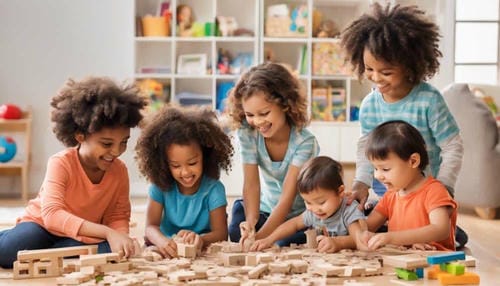
Research has also highlighted the role of unstructured play in supporting mental well-being. Children who engage regularly in free play tend to experience lower stress levels and higher levels of happiness and adjustment. Free play is intrinsically rewarding: children are motivated not by external rewards or adult approval but by pure engagement and enjoyment. This intrinsic motivation is a key component of deep learning because children are more likely to invest effort, explore challenges, and persist through difficulty when they are internally driven. [3]
The emotional benefits are closely intertwined with self-confidence and autonomy. Unstructured play places children in charge of their own choices, which nurtures a sense of agency. Children learn that they can influence their own experiences, build their own narratives, and take ownership of their decisions. This sense of control contributes to self-esteem and encourages children to approach new challenges with curiosity rather than fear. Whether they’re imagining fantastical worlds or navigating a disagreement with a friend, children gain confidence in their ability to think for themselves and act independently. [4]
Physical health and development are additional arenas where unstructured play proves invaluable. Although structured physical activities have benefits, such as teaching specific skills or techniques, unstructured play encourages natural movement and exploration at a child’s own pace. Running, jumping, climbing, balancing, and dancing—all common in free play—improve gross and fine motor skills, coordination, and overall physical fitness. Outdoor unstructured play also exposes children to fresh air and varied environments, supporting holistic health in ways that sedentary, overly structured routines cannot replicate.
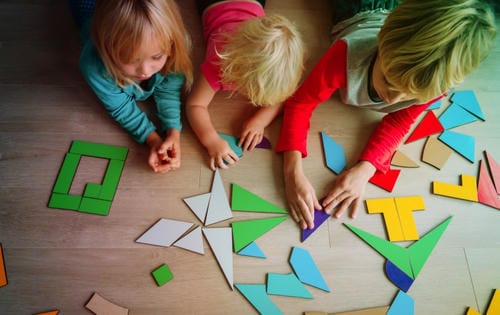
Importantly, the benefits of unstructured play extend beyond early childhood. While free play is often associated with toddlers and preschoolers, its value persists throughout school years and into adolescence. Older children who are given opportunities for self-directed exploration continue to develop flexible thinking, self-confidence, and social competence. These skills support academic learning and emotional well-being, contributing to balanced development in multiple domains.
For parents and educators, recognizing the value of unstructured play means intentionally creating space for it. This does not require elaborate materials or special environments. Simple, open-ended opportunities—such as time with blocks, art supplies, or outdoor space—can be enough to spark rich play experiences. The key is allowing children autonomy and minimizing adult direction, so they can lead their own exploration and decision-making.
Ultimately, when less structure is present, children become better learners—not because they are doing less, but because their play engages them in a holistic process of discovery, reflection, and self-directed growth. This form of learning nurtures creativity, resilience, cognitive flexibility, and emotional intelligence in ways that structured environments alone cannot achieve. Unstructured play, in its simplicity, provides a profound foundation for lifelong learning and adaptive thinking that will serve children throughout their lives.
Sources:
[1]: https://www.psychologytoday.com/us/blog/play-and-imitation/202103/the-incredibly-high-value-free-play
[2]: https://www.parentcircle.com/importance-benefits-of-free-play-unstructured-play-for-children/article
[3]: https://nifplay.org/play-note/child-play
[4]: https://www.abagthaacademy.com/blogs/why-unstructured-play-is-essential-for-healthy-childhood-development
References:
https://www.littlemakerskpl.org/why-unstructured-play-matters-in-early-learning