Bringing a new baby into your family is a joyful and transformative experience—but it’s also a significant shift for your household pet. Cats, dogs, and other companion animals thrive on predictability and familiar routines. When a baby arrives, the sensory environment changes dramatically: new sounds, novel scents, and shifting daily rhythms can leave pets uncertain or stressed. Preparing your pet before the baby arrives is essential to fostering a calm and positive environment for everyone. Experts recommend starting these preparations well in advance of your due date to help your pet adjust gradually rather than being overwhelmed by sudden change.
Begin by acquainting your pet with baby-related smells and sounds during pregnancy. Playing recordings of baby noises at a moderate volume over time helps desensitize your pet to the types of sounds they’ll encounter once your infant is home. Similarly, introducing your pet to baby scents—such as lotions, powders, or even an item of baby clothing—helps make these unfamiliar smells part of their normal environment rather than abrupt and confusing intrusions. Setting up nursery furniture, toys, and baby gear early also allows your pet to explore and form associations with these new objects before your baby arrives. Routine consistency is equally important.

Maintaining your pet’s regular feeding, play, and rest schedule as much as possible minimizes anxiety caused by disruption, and can make the eventual arrival of the baby feel like a continuation of normal life rather than a radical upheaval. Some families even practice walking their dog with a stroller or teaching basic cues like “sit” and “stay” in new contexts so the pet learns self-control around baby items. Positive reinforcement is key throughout this phase: rewarding calm behavior with praise, treats, or extra attention strengthens the message that new experiences are safe and beneficial for your pet. [1]
It’s also critical to use this preparatory period to address any behavioral issues your pet may have. Unwanted habits like jumping on furniture, excessive barking, or agitation around children should be calmly and systematically reduced through training. Basic obedience classes or working with a trainer can build a foundation of good behavior that will carry into life with your newborn. For example, teaching reliable commands such as “leave it” or “go to your bed” gives you tools to manage your pet safely around a baby, especially when attention must be divided. Beyond specific cues, this is also a time to shape your pet’s general response to new experiences: gradual exposure to baby stimuli, consistent expectations for behavior, and plenty of positive reinforcement collectively help prevent fear, frustration, or territorial reactions when the real introduction happens. [2]

During this phase, it’s also wise to ensure your pet’s health and physical comfort are optimized. A visit to the veterinarian for a check-up, ensuring vaccinations and preventative treatments are up to date, and trimming nails not only keeps your pet healthy, but also reduces the likelihood of stress-related responses once the baby arrives. Addressing medical or behavioral concerns early can prevent complications later, when your focus understandably turns to caring for your newborn. Additionally, creating designated “safe spaces” where your pet can retreat from household bustle provides a predictable haven they can rely on when stimuli become overwhelming. These areas—whether a quiet room, a cozy crate, or a favorite perch—help pets regulate their own stress and reinforce that they are still an important member of the family as dynamics evolve.
First Encounters Between Your Pet and Baby
Once your new baby arrives and you’re ready for your pet’s first real encounter with them, a gentle, controlled introduction sets the tone for future interactions. Avoid presenting the baby immediately upon arrival from the hospital; instead, greet your pet in your usual manner first so they feel recognized and secure before encountering the new family member. This helps reduce excitement or anxiety that could otherwise be misdirected toward the baby. After a calm greeting, present an item carrying the baby’s scent—such as a blanket, hat, or clothing—to allow your pet to investigate on their own terms. This allows scent recognition without direct contact, making the first sensory link positive and stress-free. When the time is right for a supervised face-to-face introduction, keep the interaction brief and calm. For dogs, having them on a leash and allowing them to approach slowly prevents sudden movements that could startle or overwhelm them. Cats may be more independent; letting them observe from a distance and approach only when they feel comfortable respects their natural caution and reduces the potential for stress. Throughout these moments, maintain a low-key atmosphere, avoid forcing contact, and reward calm, gentle behavior with praise or treats so your pet starts associating the baby with positive experiences rather than tension or disruption. [3]

During these early days and weeks, vigilant supervision is essential. Never leave a pet and baby alone together, regardless of how well your pet has adjusted. Even the most gentle, well-trained animals can be unpredictable around new sights and sounds, and babies are especially vulnerable. Use baby gates, closed doors, or temporary barriers to manage interactions and ensure both the pet and baby have space when needed. Maintaining parts of your pet’s regular routine—such as walks, feeding times, and play sessions—reassures them that they remain valued and that the household’s overall structure is stable. Reassuring physical interactions with your pet—calm petting, brief play sessions, or quiet moments near the baby—can reinforce that their place in the family is unchanged and help prevent feelings of jealousy or neglect. [4]
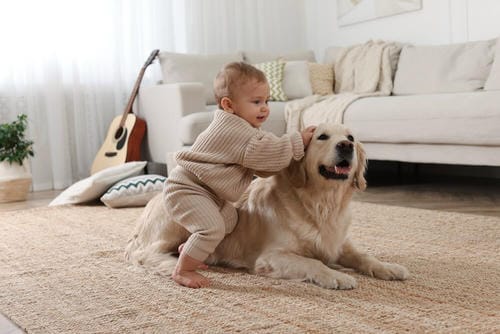
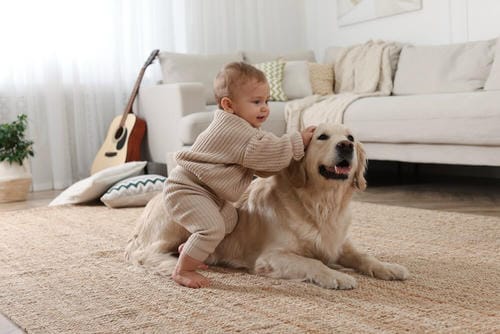
As your child grows and becomes more interactive, continue to teach both your child and your pet how to relate respectfully and safely. Showing toddlers how to gently pet an animal, recognizing signs of stress or discomfort in pets, and reinforcing family rules together nurtures empathy and understanding. Over time, with patience, consistency, and attentive communication, many families find that pets and children form deep, affectionate bonds—becoming companions in play, quiet comfort, and shared family life.
Sources:
[1]: https://www.humaneworld.org/en/resources/introducing-your-pet-your-new-baby
[2]: https://www.nanit.com/blogs/parent-confidently/how-to-introduce-your-pet-to-your-new-baby
[3]: https://www.carilionclinic.org/health-and-wellness/article/tips-introducing-your-pet-your-new-baby
[4]: https://keepyourchildsafe.org/child-safety/infant-safety/pet-baby-safety
References:
https://www.healthline.com/health/baby/before-you-bring-home-baby-heres-how-to-prep-your-pets
https://www.expatwoman.com/ewmums/en/parenting/tips-advice/parent-guide-introducing-your-pet-your-newborn-baby