Parents around the world navigate a wide spectrum of beliefs, traditions, and practical advice when it comes to taking their babies outdoors. For some families, stepping outside with an infant is an everyday routine that supports sleep, curiosity, and a sense of wellbeing. For others, cultural traditions dictate specific timing, rituals, or protective practices tied to newborns’ first experiences with fresh air and sunlight. Across Nordic countries such as Finland and Sweden, letting babies nap outdoors in strollers—even in cold weather—is seen not merely as acceptable, but as a longstanding tradition grounded in the belief that fresh air promotes restful sleep and strengthens the immune system. In contrast, in parts of West Africa, newborns may be kept indoors until a formal naming ceremony introduces them to the community and symbolizes stability and protection before they spend extended time outside. Even within individual communities, parents may express beliefs that stem from modern health guidance, ancestral practices, or social learning, all shaping how and when infants are exposed to elements like air, sunlight, and nature. These beliefs, which influence daily routines and caregiving choices, reflect an interplay between cultural heritage, perceived health benefits, and scientific understanding of early development.
Cultural and Traditional Perspectives on Outdoor Time for Babies
Across many cultures, early outdoor exposure is embedded in tradition and ritual. In Ghana, for example, the practice of Outdooring marks an important cultural milestone when a newborn is brought outside for the first time after eight days, symbolizing that the baby has survived the most vulnerable period of life and is ready to be welcomed into the community. Prior to this event, it is customary to keep infants indoors out of concern for their health and spiritual protection. This ceremony blends cultural belief with infant care and communal identity.
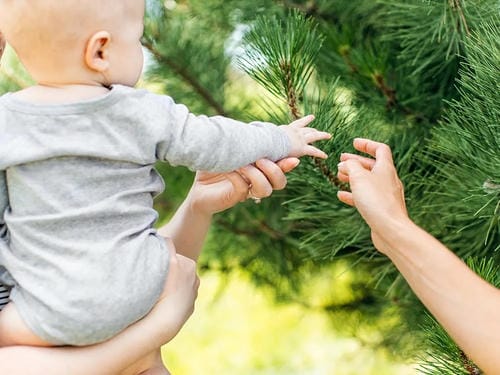
Traditional health beliefs often associate fresh air and sunlight with strength and vitality. Historically, parents in various regions have exposed infants to sunlight to promote bone health, largely due to the role sunlight-induced vitamin D synthesis plays in skeletal development. Older pediatric guidance materials explicitly recommend outdoor exposure, noting that even young infants can benefit from sunshine and fresh air when weather conditions are appropriate, as these elements help the body utilize nutrients to build strong bones. [1]
In some Ethiopian communities, sunlight exposure for infants is both a cultural practice and a health behavior. Research indicates that a significant proportion of mothers intentionally expose their infants to sunlight and many believe in its health benefits, including stronger bones and improved growth. At the same time, variations in practice and understanding reflect the influence of local beliefs, misconceptions, and access to health education.
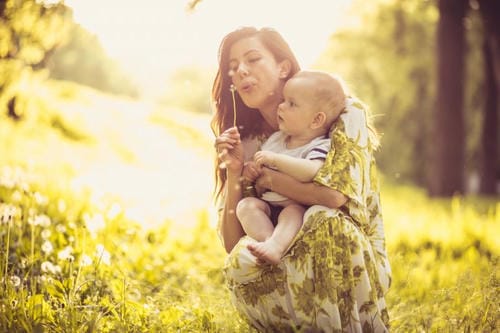
Even within the same cultural group, beliefs can diverge. In some rural Ethiopian regions, concerns about cold weather, the “evil eye,” or witchcraft may discourage parents from taking infants outside, illustrating how community beliefs can integrate environmental conditions and supernatural interpretations into decisions about outdoor exposure. [2]
Across cultures, perceptions about risks and benefits also vary. Studies of parental attitudes toward sunning their babies in medical settings reveal that many parents believe sunlight is beneficial for infants, especially for bone development, but often lack clear understanding of the potential harmful effects of over-exposure, such as sunburn or long-term skin damage. This suggests that cultural beliefs about sunlight’s health benefits are sometimes strengthened by popular but not fully balanced health messages.
The ways families integrate nature into infant care also reflect social expectations and shared knowledge. For example, informal discussions among parents on social platforms reveal that some parents encounter norms suggesting babies under a certain age should remain indoors, while others emphasize early outdoor visits to aid sleep or wellbeing. These social cues often reflect broader cultural assumptions about health and safety, even when they lack formal scientific backing.
Health Perspectives and Scientific Understanding of Outdoor Exposure
Modern health science acknowledges that outdoor environments, including sunshine and nature, can influence child health and development, though guidelines emphasize a balanced approach. Sunlight is an important environmental source of ultraviolet B (UVB) radiation, which triggers vitamin D synthesis in the skin and supports bone growth and immune function in infants. Adequate but controlled sunlight exposure is widely recognized for helping prevent rickets and supporting overall development, with recommendations often focusing on limited durations and protective practices to reduce risks of excessive UV exposure. [3]
However, studies show that parents and caregivers often hold mixed knowledge about the proper way to expose infants to sunlight. While many believe in its benefits, a lack of understanding about safe timing, duration, and protective measures can lead to practices that either under-utilize healthy benefits or expose infants to potential harm. Research suggests targeted education around safe sun exposure practices, including avoiding peak UV times and understanding protective measures, is crucial to bridging gaps between belief and evidence-based guidance.
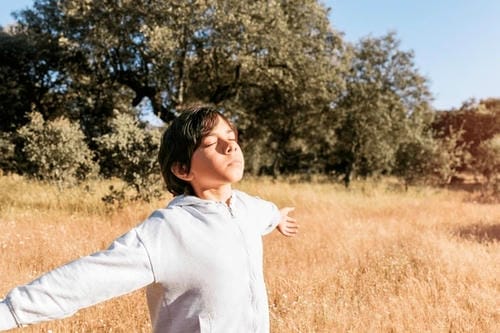
Beyond sunlight, the concept of nature exposure for infants and families has gained attention in pediatric and public health literature. While much of the research focuses on older children, systematic reviews emphasize that access to green spaces and nature is associated with improved physical activity, cognitive development, behavioral outcomes, and mental health benefits for children in general. Time spent outdoors encourages movement, sensory engagement, and exposure to diverse environments, which can support early sensory and motor development, though specific research on infants remains more limited.
Health-focused studies conducting community surveys in regions like Ethiopia also highlight that large proportions of mothers may not practice full or adequate sunlight exposure for their infants due to a combination of knowledge gaps, cultural norms, educational background, and health service interactions. These findings underscore that infant outdoor exposure practices are influenced by a dynamic interplay of cultural expectations and access to health information. [4]
In clinical and public health contexts, guidance tends to emphasize the importance of balanced outdoor exposure—enjoying fresh air and nature while being mindful of environmental conditions and protective practices. For example, pediatric advice often recommends limiting direct sunlight for infants under six months and using shade or protective clothing when outside, because infant skin is more sensitive to ultraviolet radiation, and overheating can be a concern. Although specific recommendations vary by region and climate, the underlying principle is that outdoor time can be beneficial when carried out with appropriate caution.
Parents’ beliefs about outdoor exposure for infants thus reflect both long-standing cultural traditions and emerging scientific perspectives. Cultural practices such as symbolic outdoor ceremonies and beliefs in fresh air’s health benefits persist alongside growing public health efforts to educate caregivers on safe sunlight exposure and the broader developmental benefits of nature contact.
Sources:
[1]: https://digirepo.nlm.nih.gov/ext/dw/1285103R/PDF/1285103R.pdf
[2]: https://pmc.ncbi.nlm.nih.gov/articles/PMC12592678
[3]: https://www.nature.com/articles/s41598-025-12680-6
[4]: https://pubmed.ncbi.nlm.nih.gov/41211517
References:
https://link.springer.com/article/10.1186/1471-2431-6-27?utm_source=chatgpt.com
https://publications.aap.org/pediatrics/article-abstract/148/4/e2020049155/181269/Nature-and-Children-s-Health-A-Systematic-Review