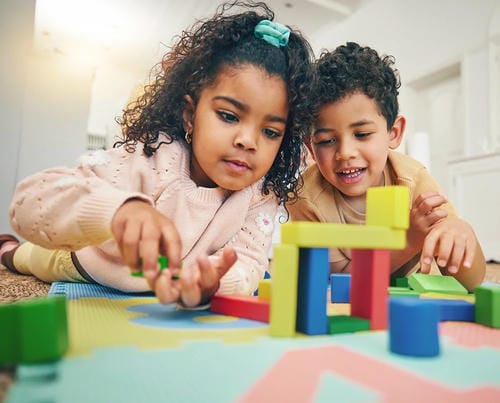
Raising confident children is a universal goal for parents, yet the ways in which confidence is cultivated vary significantly across cultures. Confidence in children is shaped not just by individual parenting choices but also by the broader cultural context in which those choices are made. Culture influences the values parents prioritize, the behaviors they reinforce, and the ways in which children learn to see themselves in relation to others. For example, Western cultural norms often emphasize independence and self-assertion, while other cultural traditions emphasize obedience, family cohesion, or educational discipline as pathways to competence and self-worth. Empirical research demonstrates that parenting styles and child outcomes cannot be fully understood without considering cultural norms and expectations, as similar parenting behavior may have different implications for self-esteem and development depending on the cultural environment in which it occurs. [1]
Cultural Foundations of Confidence in Childhood
Parenting practices around the world offer a rich comparative lens for understanding how confidence is nurtured in children. Culture shapes not only what parents value in their children but also how they act, speak, and interact with them on a daily basis. These cultural norms, deeply embedded in social expectations and traditions, create unique pathways through which confidence is learned, expressed, reinforced, or constrained. Across diverse societies, patterns of child-rearing reflect underlying cultural assumptions about independence, social harmony, emotional expression, and communal support.
In individualistic cultures—such as those found in North America and much of Western Europe—the emphasis tends to be on autonomy, self-expression, and personal achievement. Individualistic culture prioritizes the individual over the collective and fosters traits such as self-reliance, abstract thinking, and personal goals, which are seen as essential components of well-rounded development. Children in these societies are frequently encouraged to explore their interests, voice their opinions, and make decisions about their own lives, reinforcing a sense of personal agency and confidence in facing new challenges.
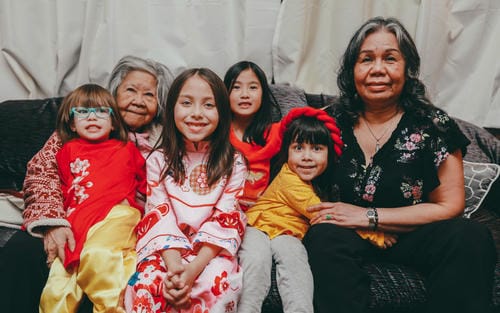
Conversely, many collectivist cultures—common in Asia, Latin America, and parts of Africa—place greater emphasis on interconnectedness, respect for authority, and group harmony. In these contexts, confidence is cultivated through competence in fulfilling family expectations, sustaining respectful relationships, and contributing to social cohesion. For example, in certain East Asian cultures shaped by Confucian values, children are taught to respect elders and understand their role within the family and society, which can foster confidence rooted in social responsibility and cultural belonging. [1]
The contrast in these value systems illustrates how confidence is not defined identically across societies. In individualistic settings, confidence may be linked to independence and self-assertion. In collectivist settings, it may be connected to mastery of social roles, academic achievements, and harmonious relationships. While these priorities may appear different on the surface, both approaches aim to prepare children to navigate their cultural world effectively and with self-assuredness—even if the forms that confidence takes differ. Central to both contexts is the concept that confidence is not just an innate trait, but rather a learned capacity that emerges through the interaction of social expectations, parenting behaviors, and cultural narratives.
A review of cross-cultural parenting research highlights that many aspects of parenting—such as physical caregiving, cognitive stimulation, warmth, discipline, control, and monitoring—can manifest differently yet serve similar developmental functions in children across cultures. It is through these culturally informed practices that parents shape not only behavior but also children’s internal beliefs about competence and worthiness. [2]
Parenting Practices and Their Influence on Confidence Across Cultures

Examining specific child-rearing practices around the world reveals how diverse approaches contribute to children’s confidence. Across cultures, basic needs such as love, safety, and learning opportunities are prioritised, but the methods by which they are addressed vary significantly. In the United States and similar cultural contexts, many parents adopt authoritative parenting styles—characterised by high responsiveness and moderate control—that emphasize warm communication, encouragement of independence, and engagement in decision-making. This style has been linked with strong self-esteem and self-confidence in children, as it fosters both emotional security and personal agency.
However, when researchers compare this to parenting practices in Southern European or Latin American countries, nuances emerge. In countries such as Spain, Portugal, and Brazil, children of indulgent parents—defined as high in warmth but low in strictness—have been found to exhibit high levels of self-esteem and value internalization, suggesting that diverse parenting approaches can be effective in fostering confidence depending on cultural context. [3]
In other regions, extended family and community involvement plays a pivotal role in children’s development. Indigenous and African communities offer examples where “it takes a village to raise a child” is more than a saying; it is a lived reality. In these communities, child-rearing responsibilities extend beyond parents to include grandparents, aunts, uncles, and neighbors. Such communal caregiving naturally exposes children to varied social roles and expectations, reinforcing social competence, empathy, and a broad sense of belonging—traits that contribute meaningfully to confidence in social contexts. [4]

Differences in child-rearing practices also include how children learn emotional regulation and social behaviour. Some cultures encourage children to manage emotions through indirect guidance and emphasis on group harmony, while others promote open emotional expression and discussion of feelings. These differing approaches provide distinct frameworks for children to understand and engage with their emotional worlds, contributing to confidence in social encounters and self-management.
Early childhood settings and educational philosophies also reflect cultural values that shape confidence. Educational approaches such as the Reggio Emilia philosophy, which originated in Italy, focus on child-led exploration, collaboration with peers and educators, and documentation of learning experiences. This model celebrates the child as an active participant in learning, thereby nurturing confidence through autonomy, creativity, and community engagement. While adapted in various cultural contexts worldwide, the core principles underscore respect for children’s voices and capabilities.
Moreover, cultural contexts influence parental expectations and socialization goals. For instance, in individualistic cultures, parents may prioritize self-confidence and competition to prepare children for autonomous adult life. In contrast, in interdependent cultural settings, parents may emphasize shared responsibility, respect for elders, and cooperation as foundations for enduring confidence within community structures. These divergent socialization goals are reflected in everyday parenting behaviours, such as discipline strategies, communication styles, and family roles. [3]
Importantly, international research indicates that while parenting styles and practices vary widely, there are also universal goals that parents share—such as the desire for children to grow up safe, competent, and capable of forming meaningful relationships. Recognizing both universal dimensions of child development and culturally specific patterns enriches our understanding of how confidence is nurtured. It underscores the need for culturally sensitive approaches in parenting support and education, as well as the value of learning from global practices to inform parenting within one’s own cultural environment. [2]
Sources:
[1]: https://capc-coco.org/wp-content/uploads/2025/03/How-Culture-Shapes-Your-Parenting-And-Why-It-Matters-for-Your-Childs-Well-being.pdf
[2]: https://pmc.ncbi.nlm.nih.gov/articles/PMC8940605
[3]: https://www.mdpi.com/1660-4601/17/7/2370
[4]: https://www.globalsprouts.com/blogs/explore-more/10-parenting-practices-from-around-the-world