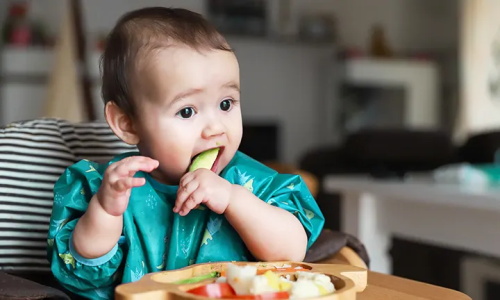
Introducing your baby to solid foods marks an important milestone in their first year of life, and parents today have more choices than ever when it comes to how that transition happens. One approach that has gained considerable attention in recent years is baby-led weaning (BLW) — a feeding philosophy that invites infants to self-feed pieces of family food instead of being spoon-fed purees. Rather than introducing solids through traditional pureed spoons, baby-led weaning encourages babies to sit with the family at mealtimes, pick up appropriately sized finger foods on their own, and explore tastes, textures, and the mechanics of eating at their own pace. This method aims to support the baby’s development of fine motor skills, oral coordination, and self-regulation of appetite, while also integrating them early into the rhythms of family meals. Although BLW has become a popular and widely discussed trend among caregivers, health professionals and researchers continue to examine its benefits and possible risks to help families make informed decisions tailored to their baby’s needs.
What Baby-Led Weaning Is and Why It’s Gained Popularity
Baby-Led Weaning (BLW) is an approach to introducing solids that empowers infants to self-feed. Rather than spoon-feeding purees, caregivers offer appropriately sized pieces of family foods that babies can pick up and explore on their own. The idea is to put the baby in control of mealtimes — letting them decide what to eat and how much — while integrating them into family dining from the very start. As pediatric experts explain, this method allows babies to sit with others at the table and practice essential feeding skills like grasping, bringing food to their mouths, chewing, and swallowing, which aids in fine motor development and self-regulation of appetite.
BLW’s emphasis on self-feeding, natural exposure to tastes and textures, and inclusion in family meals resonates with many modern caregivers who value responsive, child-led parenting philosophies. Proponents suggest that because babies experience a broader variety of flavors and textures earlier, they might be less likely to become picky eaters later in life. Some studies also suggest that BLW might influence eating behaviors positively — including slower eating pace and stronger satiety responsiveness — which in turn could help with healthy weight management. [1]
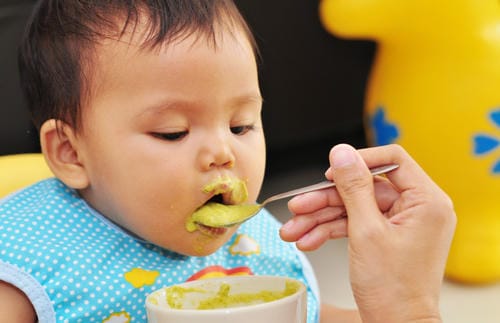
Anecdotally, the method’s appeal is amplified by social media and parenting communities, where numerous caregivers share positive stories about their babies happily picking up soft fruits, steamed vegetables, and tender family foods right alongside adults. Parents highlight the simplicity of preparing one meal for the whole family and appreciate that BLW can reduce the need for separate baby food preparation, potentially saving time and money.
However, BLW is not without its controversy. Despite its growing popularity globally, experts emphasize that it must be done safely and appropriately, with developmental readiness and food selection tailored to each baby’s abilities. For many parents, the idea of giving their infant whole foods — even when soft — can provoke anxiety, concern about choking hazards, and uncertainty about whether babies are ingesting enough food or essential nutrients. [2]
Benefits, Risks, and the Ongoing Debate
Advocates of BLW list a range of potential benefits. In addition to helping infants develop motor skills and self-feeding autonomy, BLW may promote healthier eating behaviors by exposing babies to a wide variety of tastes and textures early on. Some research suggests that BLW infants may have a more regulated eating pace and may be less prone to over-eating because they control how much food they place in their mouths. [3]
Supporters also often cite the social and developmental advantages of having babies sit at the table with others, which can foster family cohesion and help young children learn by observing adults and older siblings during meals. This shared experience can make mealtimes more inclusive and help babies practice social cues related to eating.
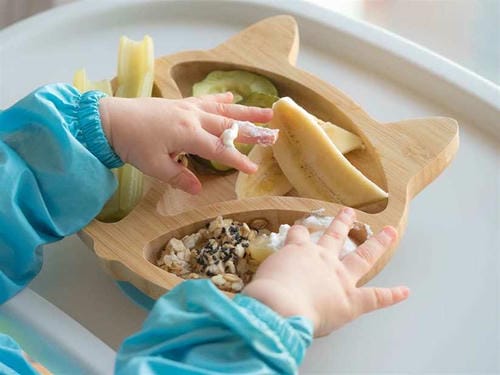
Despite these promising aspects, pediatric authorities and nutrition experts caution that the scientific evidence on many of BLW’s claimed advantages remains limited. There are ongoing concerns about nutritional adequacy, especially regarding essential micronutrients like iron and zinc. Some infants practicing BLW show preferences for fruits and softer foods, which are often lower in calories and iron compared to meat and fortified cereals, potentially leading to nutrient gaps without careful meal planning.
One of the most frequently discussed risks associated with BLW is the possibility of choking. Although some evidence suggests that when appropriate foods are offered and infants are closely supervised, choking risk may not be higher than with traditional spoon-feeding, it remains a primary concern among parents and caregivers. Babies learning to chew and swallow solid foods can gag — a normal reflex — but distinguishing gagging from dangerous choking requires caregiver education and attention.
Messiness and meal preparation time also factor into the debate. BLW can lead to more food on floors, bibs, and trays, which may feel overwhelming for busy families. Some caregivers report that their babies engage more in tactile exploration — squeezing and playing with food — than actual eating in the early stages, leading to concerns about whether adequate nutrition is being consumed during those initial weeks. [4]

Many pediatricians recommend a blended approach that incorporates the strengths of BLW — like encouraging self-feeding and exposing babies to varied textures — while also being mindful of nutritional needs. For example, offering iron-rich finger foods and balancing BLW with spoon-fed nutrient-dense purees can help ensure infants receive essential nutrients while still developing independence at mealtimes.
Real-world discussions among caregivers highlight the diversity of experiences with BLW. Some report joyful successes with babies who eagerly self-feed and enjoy family meals, while others openly share their anxieties about choking, frustration when babies play with food instead of eating it, or guilt over not following BLW “perfectly.” These varied perspectives underscore that there is no universal right way to introduce solids; rather, families must consider their baby’s readiness, developmental needs, and their own comfort levels.
BLW’s global popularity has fueled broader conversations about infant feeding practices and how best to support healthy growth and eating habits. While many caregivers are drawn to BLW for its developmental and philosophical benefits, health professionals stress the importance of individualized feeding plans that account for each baby’s needs. Both traditional spoon-feeding and BLW can be safe and beneficial when implemented with attention to safety, nutrition, and caregiving context.
Sources:
[1]: https://health.clevelandclinic.org/baby-led-weaning
[2]: https://www.healthychildren.org/English/ages-stages/baby/feeding-nutrition/Pages/baby-led-weaning-is-it-safe.aspx
[3]: https://www.healthline.com/nutrition/baby-led-weaning
[4]: https://www.theparentz.com/child-development/the-pros-and-cons-of-baby-led-weaning