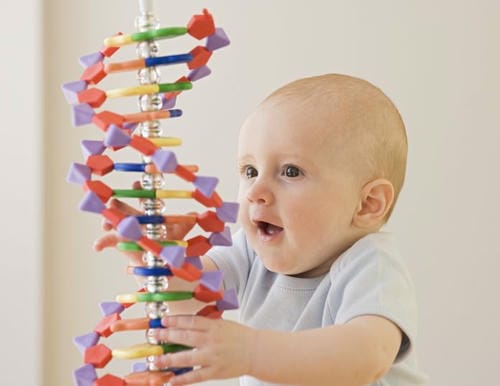
What Is Nutriepigenomics?
Nutriepigenomics is a scientific field that studies how the nutrients consumed during pregnancy and infancy can alter the way genes are expressed in the developing baby. These changes do not modify the DNA sequence itself—the fixed set of genetic instructions inherited from both parents—but rather influence gene activity and regulation. This form of gene regulation falls under the broader biological concept of epigenetics, which encompasses biochemical changes that affect gene expression without altering the underlying DNA code. Epigenetic mechanisms are essential during early development, when the foundation for many of the body’s physiological systems is being established.
Epigenetic marks such as DNA methylation and histone modifications act as biochemical “switches” that help determine when and how genes are activated or silenced. These marks can be influenced by the nutritional environment a baby experiences before and after birth. By interacting with cellular machinery, nutrients can signal to the developing organism which genes to prioritize for growth, metabolism, immune defense, and organ development. This means a mother’s diet—even before conception—can have a measurable effect on her child’s gene expression and health trajectories. [1]
The perinatal period—defined as the time before birth, during birth, and shortly after—is a window of heightened sensitivity for epigenetic programming. During this time, the baby’s genome undergoes rapid and extensive reorganization as tissues and organs form. Nutrients available to the fetus influence how genes that control these developmental processes are regulated. For example, nutrients like folate, vitamin B12, choline, and omega-3 fatty acids participate in the biochemical pathways that generate methyl groups used in DNA methylation. Insufficient or excessive levels of these critical nutrients may lead to altered epigenetic marking.
Research in humans and animal models has demonstrated that maternal nutrient status before and during pregnancy is reflected in newborn epigenetic patterns. For instance, differences in maternal folate intake correlate with measurable differences in DNA methylation at specific genomic regions in infants. These findings imply that nutritional inputs during pregnancy have the potential to leave a durable imprint on the child’s epigenome.
Postnatal Nutrition and Continued Epigenetic Influence
The influence of nutrition on epigenetic regulation does not end at birth. The first thousand days—from conception through the child’s second birthday—represent a prolonged period of developmental malleability. Breast milk, for instance, contains not only macronutrients but also micronutrients, hormones, and bioactive compounds that support epigenetic pathways. These inputs help reinforce or adjust gene expression patterns previously established in utero.

In the early months of life, the introduction of complementary foods further interacts with the baby’s developing epigenome. The types and diversity of nutrients presented to the infant during this transition period can reinforce certain gene networks related to metabolism, immunity, and growth. For example, dietary fats and sugars introduced during complementary feeding influence epigenetic marks on genes regulating energy balance and metabolic pathways.
Thus, nutriepigenomics encompasses not only prenatal nutrition but also early feeding practices that continue shaping gene expression patterns throughout infancy.
Long-Term Health Impacts of Early Nutritional Programming
One of the most extensively studied areas in epigenetics is the link between early nutrition and long-term metabolic outcomes. Epidemiological studies have revealed that individuals exposed to nutritional deprivation in utero—such as during historical famines—exhibit higher rates of obesity, type 2 diabetes, and cardiovascular disease later in life. These observations support the concept that early nutritional cues can program metabolic pathways in ways that persist long after the initial exposures have ended.
The mechanisms behind these associations involve epigenetic modifications to genes that regulate glucose metabolism, fat storage, and insulin sensitivity. For example, maternal undernutrition may lead to epigenetic adaptations that optimize nutrient utilization and storage, a survival advantage in nutrient-poor environments. However, when nutrient scarcity is followed by nutrient abundance later in life, these same adaptations may predispose individuals to metabolic dysfunction.
Conversely, maternal overnutrition and diets high in processed fats and sugars have been implicated in adverse epigenetic programming that increases offspring susceptibility to obesity and insulin resistance. Animal studies demonstrate that a high-fat maternal diet can alter DNA methylation patterns in offspring, particularly in genes associated with lipid metabolism and energy homeostasis. These changes can endure across the lifespan, affecting the way metabolic systems respond to dietary inputs long after infancy. [2]
Immune Function and Epigenetic Regulation
Beyond metabolism, early nutrition plays a role in shaping the immune system through epigenetic mechanisms. Micronutrients such as zinc, vitamin A, and vitamin D participate in immune signaling pathways that also intersect with epigenetic regulation. Nutritional adequacy or deficiency during critical periods may influence the way immune genes are expressed, potentially affecting susceptibility to infections, autoimmune disorders, and allergies.
For example, zinc deficiency during early development has been associated with altered activity of immune cells and may be tied to epigenetic changes affecting gene networks involved in inflammatory responses. Similarly, maternal vitamin D levels have been linked to epigenetic patterns in infants that relate to immune regulation. These associations highlight how nutritional inputs can modulate the developing immune system with lasting consequences.
Neurodevelopment and Cognitive Outcomes
Nutrition during the perinatal period also affects neurodevelopment, a process characterized by rapid brain growth and synaptic formation. Nutrients such as omega-3 fatty acids, iron, and antioxidants serve as building blocks for neuronal connections and support biochemical pathways relevant to gene regulation. Epigenetic mechanisms help guide processes such as neuronal differentiation and synaptic plasticity, and nutrient-dependent epigenetic marks can influence these developmental trajectories.

Adequate maternal intake of omega-3 fatty acids, for example, supports the epigenetic regulation of genes involved in brain structure and function. Conversely, poor maternal nutrition has been associated with epigenetic changes that may predispose to neurodevelopmental challenges, including impacts on learning, memory, and behavior. While research is ongoing, these findings suggest that early nutritional environments leave an epigenetic imprint influencing cognitive outcomes throughout life. [3]
Emerging research also links early nutritional exposures to epigenetic aging, a molecular estimate of biological age based on DNA methylation patterns. Favorable nutritional environments—characterized by sufficient micronutrient availability and balanced macronutrients—are associated with slower rates of epigenetic aging, which may correlate with lower risk of chronic diseases later in life. Diets rich in fiber, antioxidants, and healthy fats appear to contribute to epigenetic patterns indicative of healthier aging. Conversely, diets high in processed foods and unhealthy fats may accelerate epigenetic aging, potentially increasing vulnerability to age-related conditions such as cardiovascular disease and cognitive decline. [4]
Intergenerational Epigenetic Effects
A compelling aspect of nutriepigenomics is the possibility that epigenetic changes acquired through early nutrition may be passed to future generations. Although this area of research is still evolving, animal studies and limited human data suggest that epigenetic marks induced by maternal diet can be transmitted to offspring beyond the immediate generation. For example, epigenetic modifications triggered by maternal nutrition may influence gene expression and health outcomes in grandchildren, even if the intervening generation experienced a different nutritional environment. These intergenerational effects raise important considerations for public health, particularly in communities facing cyclical patterns of undernutrition or overnutrition. [5]
These insights into nutriepigenomics carry practical implications for perinatal care. Healthcare providers may increasingly recommend personalized nutrition strategies that consider maternal nutrient status and potential epigenetic responses. Public health policies may expand focus on ensuring pregnant and breastfeeding mothers have access to balanced diets rich in essential nutrients to optimize epigenetic programming for metabolic, immune, and neurodevelopmental health.
Continuing research will help refine guidelines for nutrient intake during pregnancy and early childhood, potentially including tailored dietary recommendations based on genetic and epigenetic profiles. As understanding deepens, nutriepigenomic knowledge may form the basis for interventions that reduce the burden of chronic disease and support thriving from infancy through adulthood.
Sources:
[1]: https://www.nature.com/articles/ncomms4746
[2]: https://www.cambridge.org/core/journals/nutrition-research-reviews/article/epigenetic-mechanisms-elicited-by-nutrition-in-early-life/5B88564391393FB040316DDDBEC2F73C
[3]: https://www.sciencedirect.com/science/article/pii/S2161831322007219
[4]: https://link.springer.com/article/10.1007/s13668-022-00402-7
[5]: https://www.degruyterbrill.com/document/doi/10.1515/jpm-2025-0289/html
References:
https://pubmed.ncbi.nlm.nih.gov/40967202
https://academic.oup.com/CustomError?statusCode=404&404%3bhttp%3a%2f%2facademic.oup.com%3a80%2fjn%2farticle%2f145%2f5%2f1109S%2f4589936%3